From the inside out, aeration and biological treatments are a great option —
When customers think about dredging, there’s generally one picture that comes to mind: big, noisy machines, heaps of dirt piled around a pond or dredge hoses transporting sediment buildup to dewatering bags. It’s not always a pretty process, despite having a picturesque outcome.
But there are other treatments besides mechanical dredging that can help get any water system back into shape or at least prolong the need for dredging. These treatments also can be much easier to budget than traditional dredging methods. Two commonly used methods are aeration and biological treatments.
Aeration treatments are conducted through different systems, such as diffusors or aerators. These treatments introduce oxygen into the water and circulate it throughout the entire system, moving stagnant water and giving new life to anaerobic zones within the water system.
Aerobic zones, which have more oxygen moving fluidly throughout them, create the perfect conditions to accelerate the natural decomposition of organic matter that often clogs up a waterway and causes stagnation.
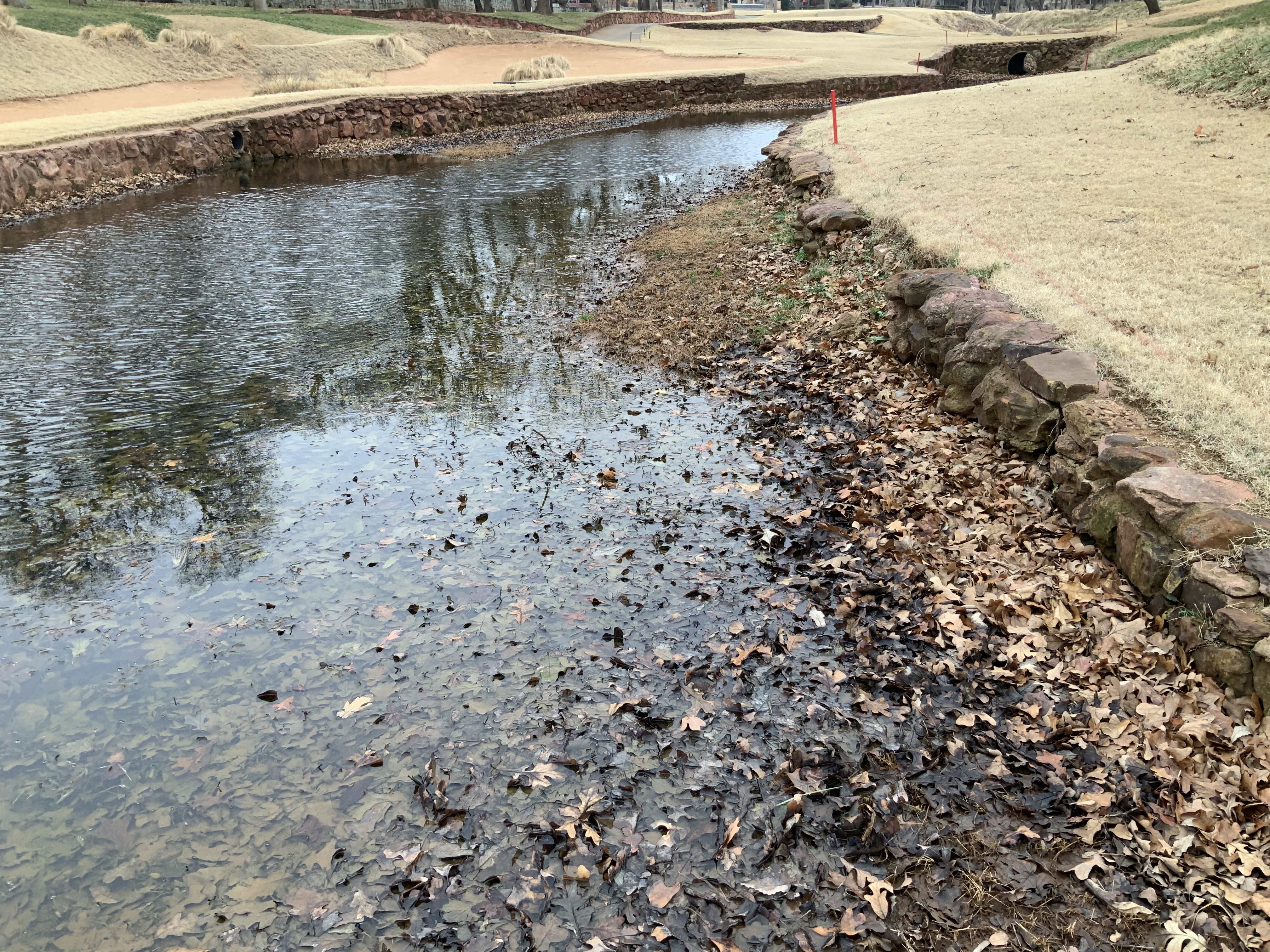
Dead vegetation becomes a nuisance within a water system when it isn’t given the chance to decompose on its own and infuse nutrients back to the water. Reintroducing more oxygen into these anaerobic zones aids in fixing that problem, while the rest of the aeration system circulates the water and creates fresh movement.
The result is a water system with better quality water and better opportunities for vegetation and organic materials to live out their life cycle in a healthy way, making the water system healthier from the inside out!
Biological treatments use bacteria and enzymes to manually break down organic waste in an efficient, natural manner. In addition to dead vegetation, these helpful bacteria and enzymes also clean up sludge and excess nutrients that can be found within a waterway’s sediment, leading to harmful buildup and fueling vegetation growth.
Biological treatments are the most natural way to break down the volume of sludge and muck while not disturbing the water system’s ecosystem. Bacteria and enzymes are also extremely helpful in cleaning up pollutants and decreasing nutrients that can cause algae and weed growth. All of these also result in a reduction of odor.
Aeration and biological treatments are often used in tandem with each other. With the reintroduction of oxygen, the waterway’s environment is more favorable for the helpful bacteria and enzymes to do their job with the most efficiency. These treatments can be an alternative to traditional dredging — especially if you want to cause the least amount of disturbance to your water system and the ecosystem of wildlife and vegetation that may inhabit it.
They’re also a viable option to take care of hot spots instead of going in for a full dredging operation. Aeration and biological treatments can be used for follow-ups of traditional dredging projects, as they extend the dredging cycle and increase the longevity of the quality within the water system.
Or they can be used in conjunction with traditional dredging for a full makeover that ensures the unseen quality of your water system’s health matches the external beauty of a manually cleaned pond or lake.
Any way they’re used, aeration and biological treatments are a great way to keep a water system healthy from the inside out.