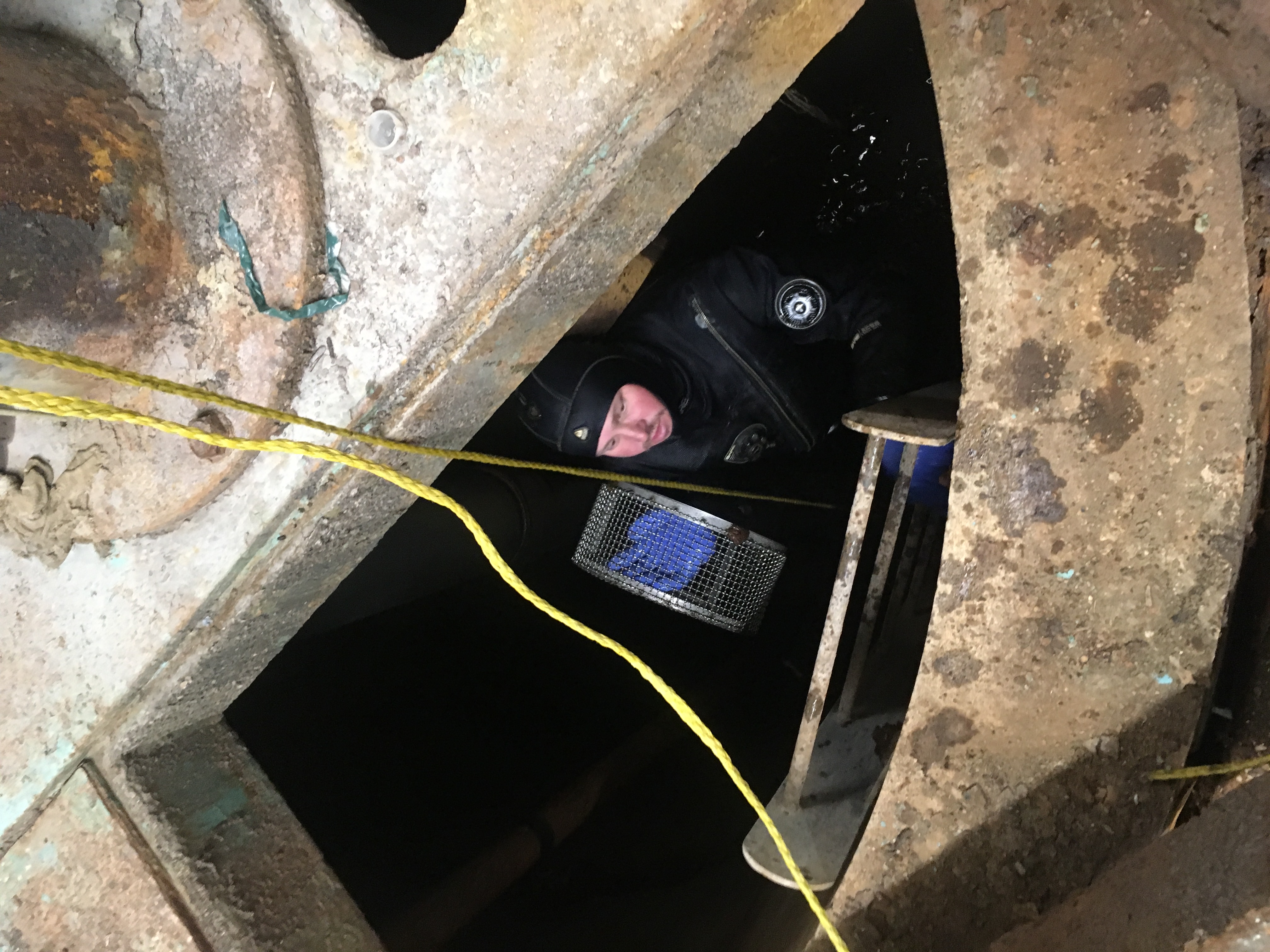
Not just for ponds, dredging can restore the productivity of irrigation systems —
Ponds, lakes, rivers and other natural waterways aren’t the only systems that are in need of dredging for regular maintenance. Wet wells and irrigation intake systems are an important part of everyday life and infrastructure that need inspection and treatment in order to be in good shape.
Wet wells are holding takes for pump stations that collect and store water before it is pumped to other locations, acting as buffers in water flow. Wet wells are a crucial part of gravity-flow systems which control the flow of water and other liquids. Wet wells in particular store the water until pressure directs it to the next stage where it is needed — such as use in a treatment plant, or for irrigation to crops.
Irrigation intakes are structures, usually with screens, located at the source of a water supply, which are used to draw water into an irrigation system. The water directed into irrigation intakes will then go directly into the wet well until it is needed for use.
Like with any other water system, wet wells and irrigation intakes experience sediment buildup and vegetation growth which can affect the productivity or health of an irrigation system. As such, both need regular maintenance in order to keep up appearances and keep them functional. That’s where manual dredging comes into play.
The first step to maintaining wet wells and irrigation systems is inspection and assessment. How far has the buildup gone? How serious does this dredging project need to be? Visually looking at sediment buildup and organic matter can help when making the assessment of what kind of maintenance project to undertake.
Intake screens should be taken out and inspected for clogs, wear and damage, and will need to be replaced from time to time. The concrete walls of a wet well should be examined for cracks and structural damage. Pumps, valves and pipes should be inspected for any signs of damage or malfunction.
Dredging and its typical steps can be used for cleaning and maintenance. All the usual benefits of dredging, such as removing sediment and vegetation buildup, unclogging waterways and flushing out systems to ensure cleanliness apply here. Additionally, wells should be chlorinated before and after irrigation season to increase the longevity of the system’s health by preventing mineral buildup and bacterial growth.
Testing and calibration should be done after the cleanup has been performed. It’s important to test the entire system to make sure that everything is functioning properly — and to see the difference from before! This will help with assessing proper flow and water pressure, which are important for record-keeping in order to monitor the performance and quality of an irrigation system.